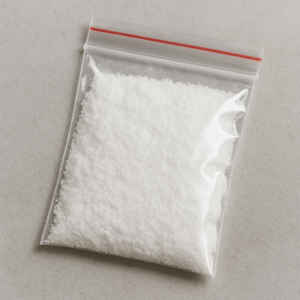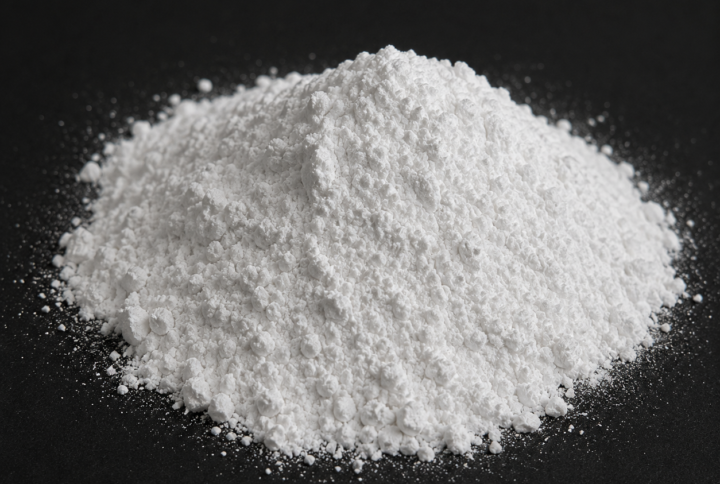
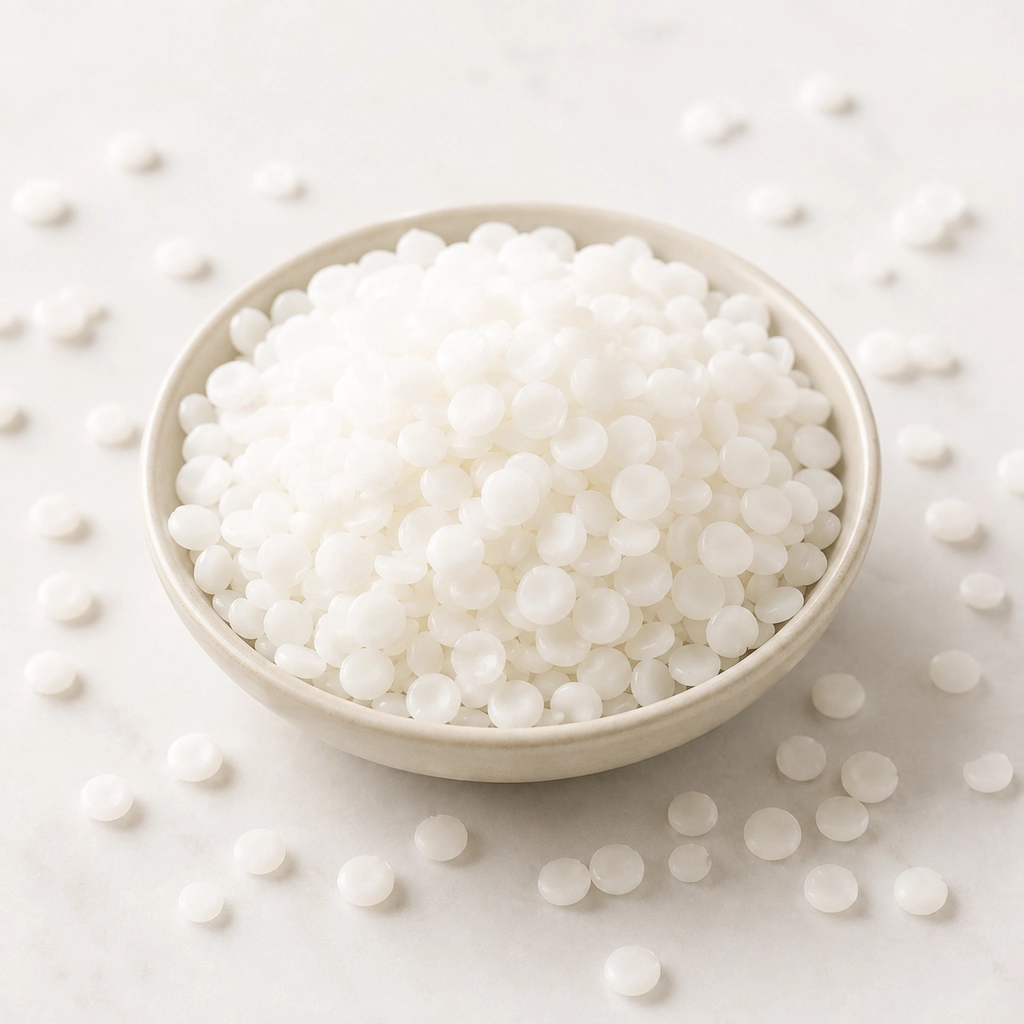

Hydrogenated Castor Oil, or HCO for short, is a versatile, plant-derived material also commonly known as castor wax. It has a firm, wax-like consistency and is widely used as a thickener, structuring agent and stabilizer in cosmetic and personal care formulations. This ingredient helps improve the texture, consistency, and stability of cosmetic formulations while providing a smooth, pleasant skin feel. Its excellent structuring properties make it particularly suitable for solid and semi-solid products such as balms, creams, lotions, lip products, sticks, soaps and hair care formulations.
Features and Applications of Hydrogenated Castor Oil
Hydrogenation makes natural castor oil more stable and highly resistant to oxidation and rancidity. This helps HCO maintain its quality, consistency, and performance over time, making it a reliable ingredient for a wide range of formulations with a long shelf life.
The material is a commonly used in antiperspirant stick formulations helping to achieve the desired product consistency. Compared with beeswax, HCO is a harder, higher-melting structuring agent that can increase firmness and heat stability while providing highly desirable aesthetics in solid and semi-solid formulations.
Additionally, it can also be incorporated into the oil phase of oil-in-water emulsions, where it acts as an emollient and internal-phase thickener. Its occlusive properties help reduce transepidermal water loss (TEWL), while its hydroxyl groups can interact with water through hydrogen bonding, contributing to skin hydration.
As a crystalline structuring agent, HCO forms a network as the formulation solidifies. The rate at which this occurs influences crystal formation and, consequently, the final hardness, texture, and stability. A slower process generally allows larger crystals to develop, while faster, controlled cooling tends to produce smaller crystals. The final result can vary depending on the oils used, HCO concentration, other structuring agents, and processing conditions.