
Product Overview
PEG-20 Glyceryl Triisostearate is a self-emulsifying ingredient used in oil-based cleansing formulations. Upon contact with water, it facilitates the removal of waterproof makeup while helping maintain the skin’s natural moisture barrier. As a very mild non-ionic emulsifier, the ingredient offers effective emulsifying and solubilizing properties across a broad range of substances, making it suitable even for sensitive skin. By helping remove excess sebum, dead skin cells, and impurities, it helps prevent pore congestion while leaving the skin feeling refreshed and soft after rinsing. Its versatility and cleansing efficacy make it a valuable ingredient in the development of oil-based cleansing products.
This ingredient is intended for use in cosmetic formulations only and is not suitable for direct application to the skin.
Chemical Properties and Function
From a chemical standpoint, the ingredient exhibits good oxidative stability due to the absence of carbon–carbon double bonds in its fatty acid chains. Its amphiphilic structure, comprising a hydrophilic ethoxylated glycerin moiety and lipophilic isostearate chains, enables it to reduce interfacial tension between oil and water, promoting the emulsification of oily impurities.
Once incorporated into an oil-based cleanser, the finished formulation can be applied to the skin and massaged gently to dissolve makeup, excess sebum, and other impurities. Upon contact with water, it transforms into a milky emulsion that rinses off easily, leaving the skin feeling soft, smooth, and moisturized.
Formulation Advantages
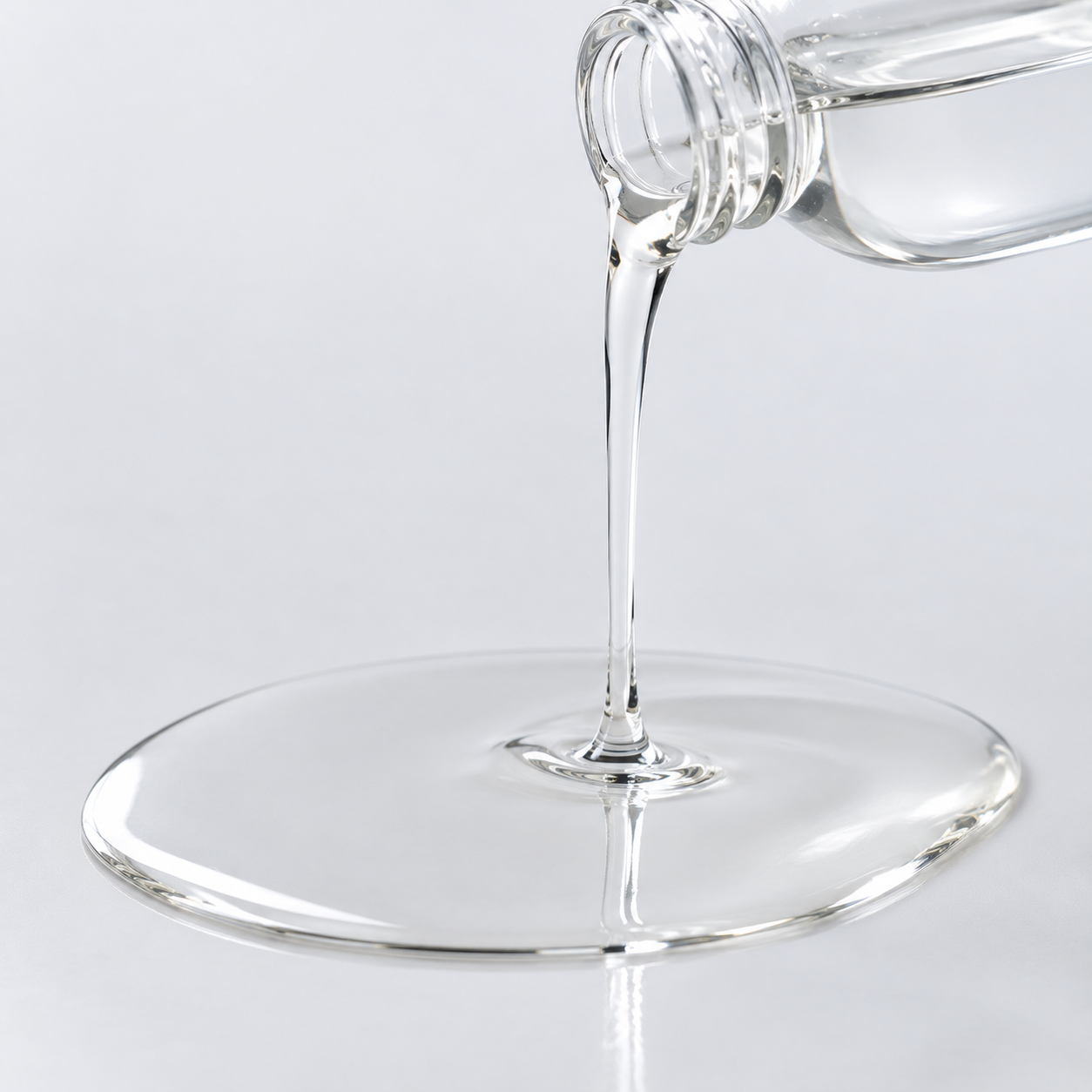
The ingredient exhibits excellent compatibility with a wide range of cosmetic oils over a broad temperature range, enabling the development of clear formulations. Its relatively high molecular weight contributes to a pleasant skin feel and good lubricity, helping reduce friction during application. Its liquid form, low viscosity, and virtually odorless nature ensure ease of handling and incorporation into cosmetic formulations. Furthermore, it can be incorporated through a simple cold-process blending procedure, eliminating the need for heating. It also represents a cost-effective alternative to other self-emulsifying emollients used in oil-based cleansing formulations.
Formulation Guide
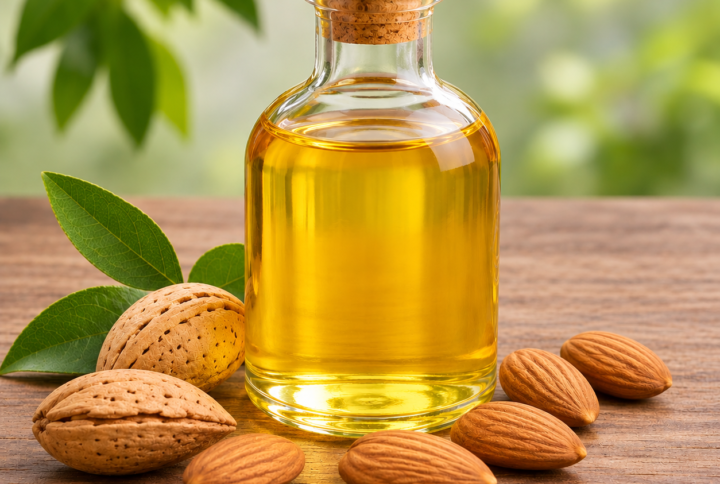
To prepare an oil cleanser, blend PEG-20 Glyceryl Triisostearate with the vegetable oil(s) and/or emollient(s) of choice until homogeneous. Refined natural oils, such as almond or olive oil, are commonly used in facial cleansing formulations. However, synthetic emollients can also be incorporated to further tailor the formulation’s sensory properties and after-feel. For example, C12-15 Alkyl Benzoate provides excellent spreadability and a silky, dry-touch finish with minimal greasy residue, while PEG-7 Glyceryl Cocoate acts as a refatting agent, helping reduce dryness after cleansing and leaving the skin feeling soft and conditioned.
The formulation can be customized by selecting and combining oils and emollients according to the desired cleansing properties, skin feel, and overall sensory profile. Instead of following a standard formulation approach, tailor the product’s properties and sensory characteristics to your specific preferences and requirements.
Emulsifier Alternatives
PEG-20 Glyceryl Triisostearate may be considered as an alternative to emulsifiers commonly used in anhydrous cleansing formulations, such as Polyglyceryl-4 Oleate and Sorbeth-30 Tetraoleate. Although these ingredients differ in chemical structure and physicochemical properties, they serve a similar function as self-emulsifying agents in rinse-off systems. Its suitability as a replacement, as well as the appropriate use concentration, should be determined through formulation testing, taking into account the selected oil phase, desired emulsification characteristics, and overall formulation performance.