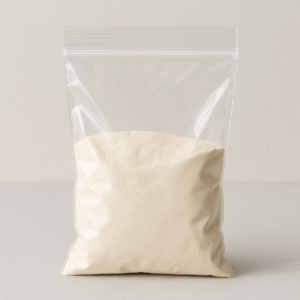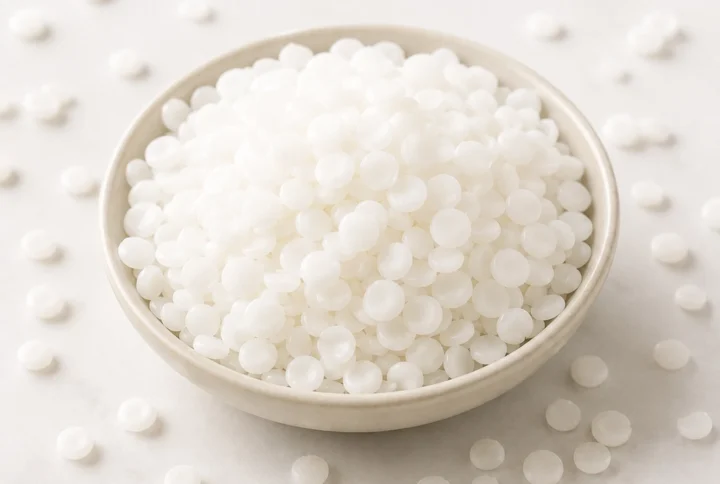
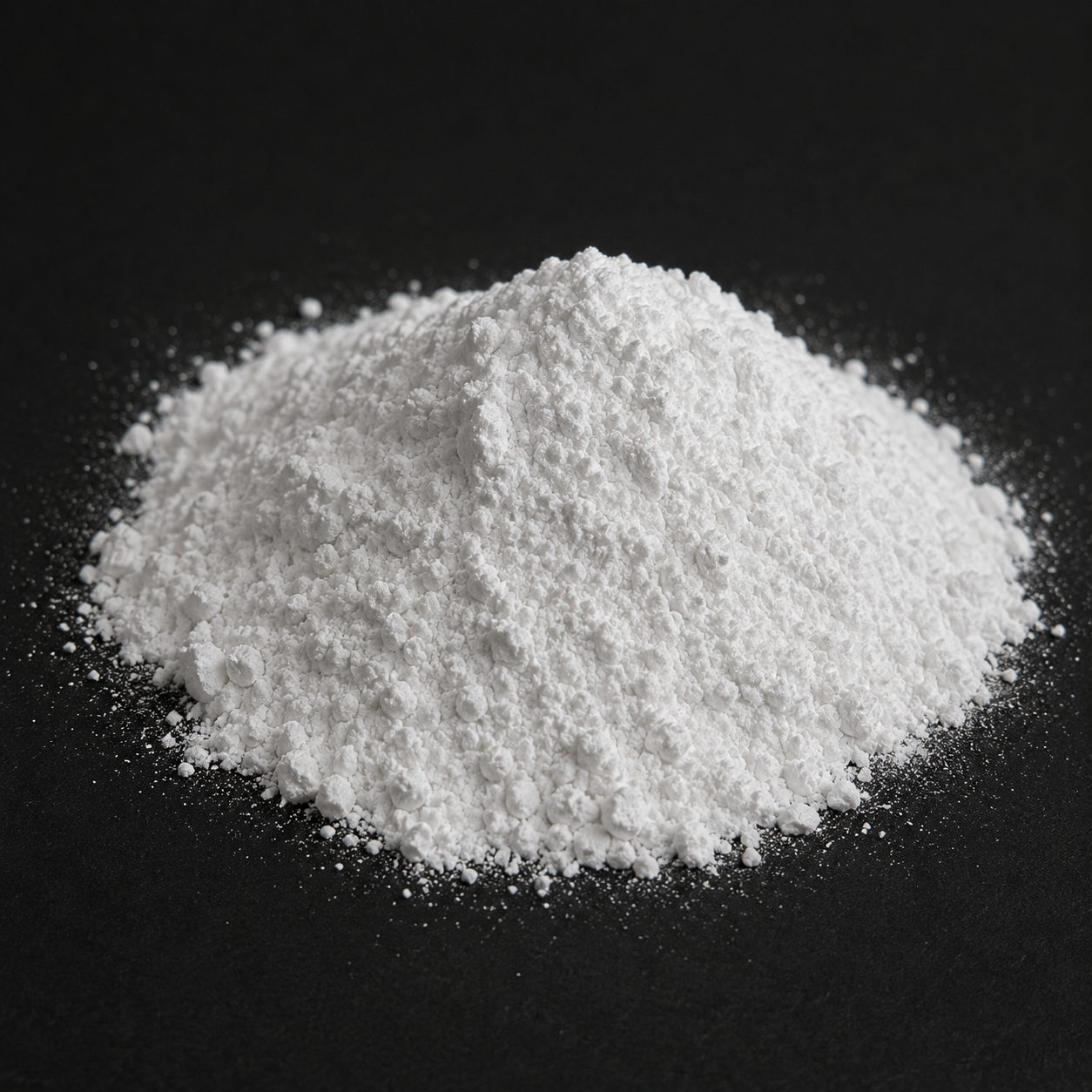

Magnesium hydroxide is a natural product derived from Dead Sea periclase, a magnesium oxide-rich mineral. In cosmetics and personal care products, magnesium hydroxide is commonly used as a deodorizing agent.
Use in Deodorants
Unlike antiperspirants, it does not prevent sweating by blocking sweat glands. Instead, it helps reduce sweat-related odor by increasing the skin’s pH, thereby creating less favorable conditions for the growth of odor-causing bacteria.
Although the material has a pH of approximately 10 and is more alkaline than sodium hydrogen carbonate (baking soda), it is generally well tolerated by the skin. This favorable skin compatibility is largely related to its very low solubility in water, as well as in alcohols and oils.
Because sweat is naturally slightly acidic, magnesium hydroxide gradually neutralizes it through an acid–base reaction, producing magnesium salts and water. Its low solubility means that it dissolves slowly in sweat, resulting in a gradual and sustained increase in skin pH. This prolonged buffering effect contributes to effective odor control while minimizing the potential for skin irritation.
Magnesium hydroxide can be incorporated into a wide range of deodorant formulations, including roll-ons, sprays, and sticks. Its natural origin and low allergenic potential make it an attractive deodorizing ingredient for personal care formulations.
Unlike aqueous solutions of aluminum chlorohydrate, one of the most commonly used active ingredients in antiperspirants, magnesium hydroxide is less associated with the formation of yellow stains on clothing. Magnesium salts formed through reactions with organic acids in sweat are generally water-soluble, whereas aluminum can interact with sweat and proteins to form deposits that may accumulate in fabrics and contribute to discoloration.