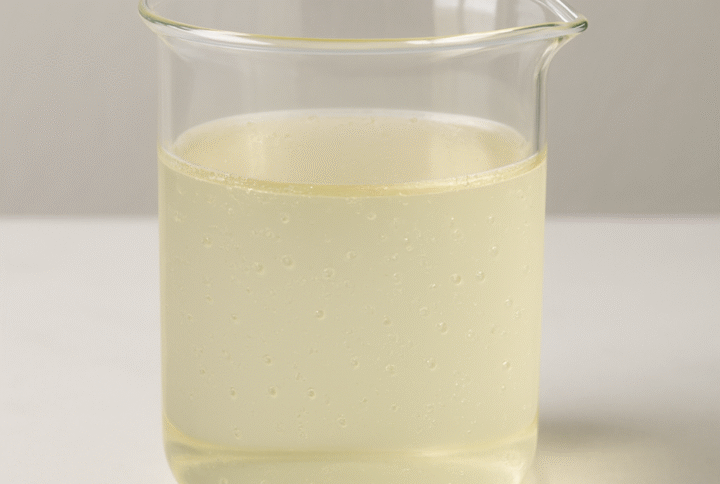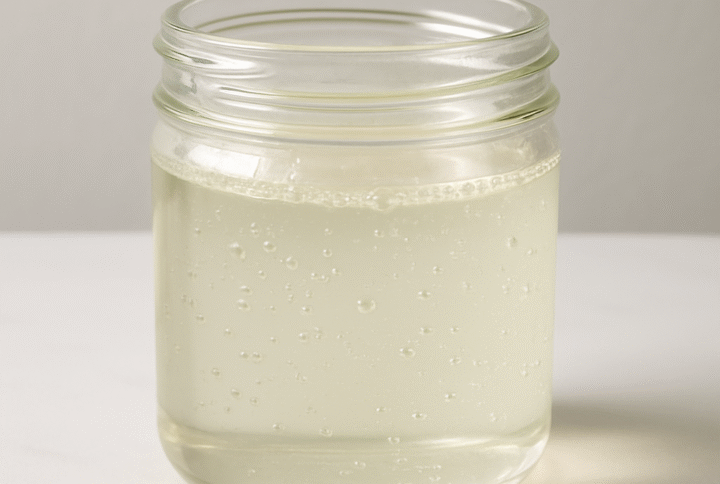
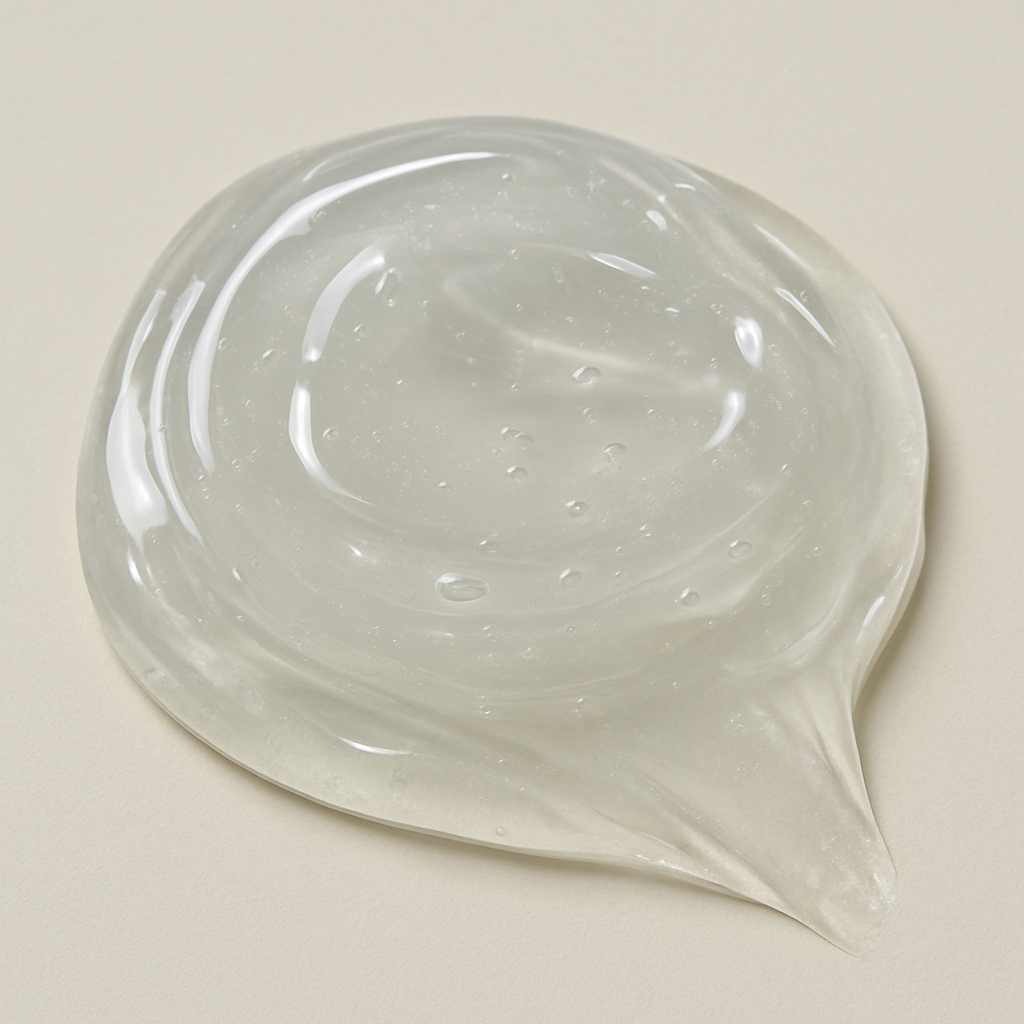

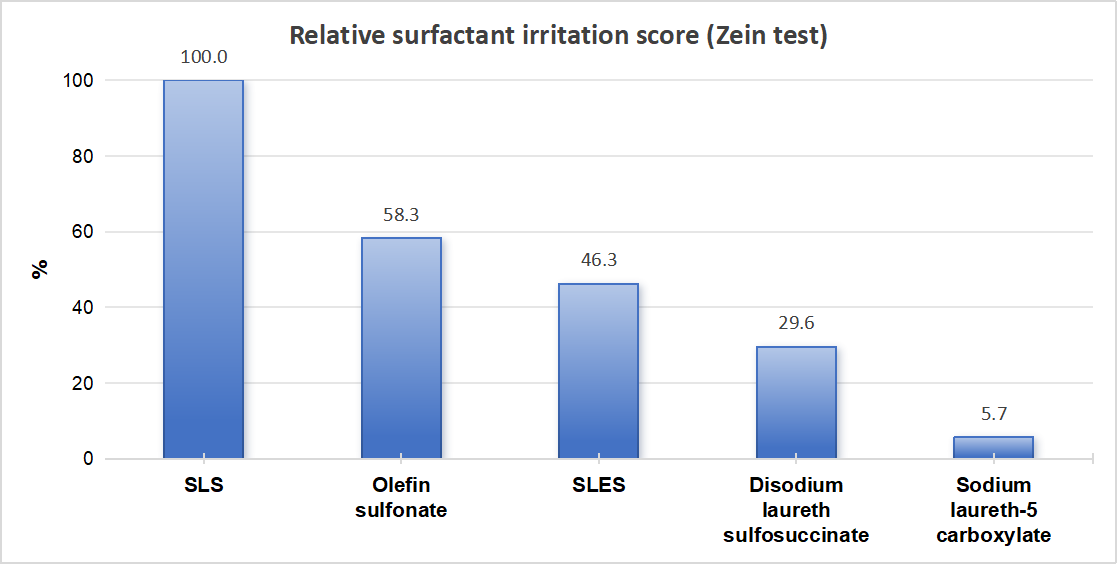
Sodium laureth-5 carboxylate is an ethoxylated, sulfate-free anionic surfactant belonging to a novel group of surfactants called alcohol ethoxycarboxylates. It delivers excellent foam performance, even in hard water, along with effective emulsification. It has excellent lime soap dispersing properties and also functions as an effective hydrotrope, facilitating the incorporation of nonionic surfactants into high-alkaline and strong electrolyte systems. Sodium laureth-5 carboxylate provides significantly greater mildness compared to many other surfactants. As shown in the graph below, it has a much lower irritation score, even lower than the already mild sodium laureth sulfosuccinate.
Sodium laureth-5 carboxylate is recommended for all applications where mildness, effective foaming, wetting, and detergency are essential, including shampoos, 2-in-1 conditioning shampoos, hand soaps, liquid dishwashing detergents, and a wide range of cleaning formulations. It is primarily used as a secondary surfactant, as it does not produce a high volume of foam on its own. The material thickens well in the presence of salt when combined with a cationic surfactant such as cocamidopropyl betaine (CAPB), resulting in a creamy foam. Sodium laureth-5 carboxylate should not be used at pH levels of 4 or below, as protonation under acidic conditions may reduce its effectiveness.
Unlike most anionic surfactants, it is compatible with cationic conditioning agents, which makes it particularly suitable for use in gentle cleansing formulations. When combined with PEG-4 rapeseedamide, sodium laureth-5 carboxylate provides effective thickening, eliminating the need for gums or high-molecular-weight acrylic acid copolymers typically used to adjust the rheology of aqueous systems. This combination also enables the indirect thickening of anionic surfactants, such as disodium laureth sulfosuccinate and lauryl hydroxysultaine, which are generally unresponsive to electrolytes or alkanolamide thickeners alone.
Features:
- Increases foam volume and density, especially in formulations containing amphoteric surfactants
- Sulfate-free
- Improves softness and sensory properties
- Provides thickening action
Have you ever wondered why sodium laureth-5 carboxylate is named that way when its structure contains only four ethylene oxide units, as in C₁₂H₂₅O–(CH₂CH₂O)₄–CH₂COONa? Contact us if you’re curious to learn more.