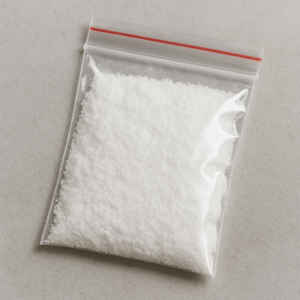
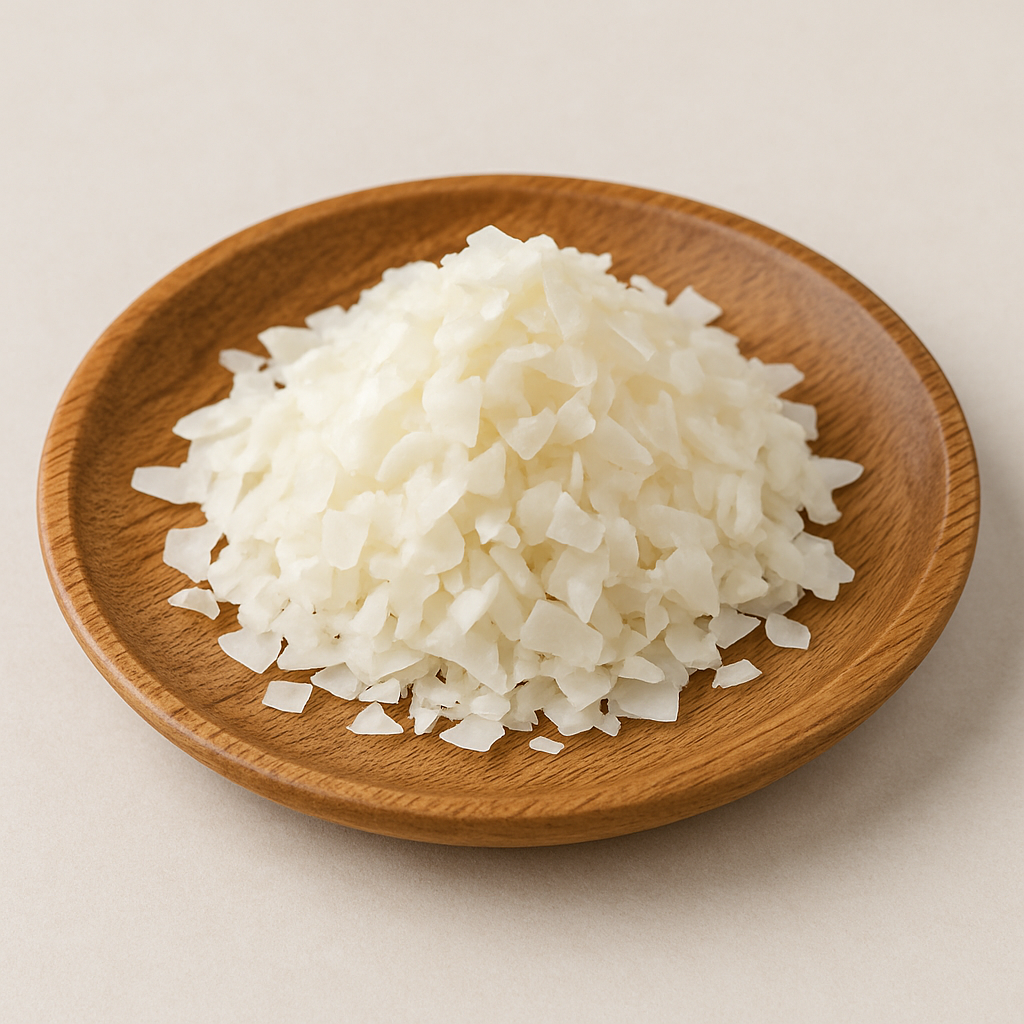

PEG-120 Methyl Glucose Dioleate is an ester of ethoxylated methyl glucose and oleic acid. It belongs to a class of thickeners derived from highly ethoxylated polyhydroxyl alcohols esterified with fatty acids. The material functions as an effective viscosity-enhancing agent in shampoos, shower gels, cleansers, and liquid soaps. Its three-dimensional structure interacts with both sulfate-based and sulfate-free surfactant systems to form a complex network that increases formulation viscosity. As a cosmetic-grade thickener, it is highly efficient in building viscosity in surfactant-based formulations that are otherwise difficult to thicken. In addition, it offers broad versatility and demonstrates strong compatibility with a wide range of surfactant types, including anionic and amphoteric systems.
PEG-120 Methyl Glucose Dioleate is a particularly mild ingredient that helps reduce the irritation potential of sulfate-based surfactants by lowering their critical micelle concentration (CMC). A lower CMC results in fewer free, unassociated surfactant molecules remaining in solution. This makes it well suited for formulations intended for sensitive skin or baby care applications. The product is non-toxic, requires no GHS labeling, and shows low eye irritation and no skin irritation. Its nitrogen-free chemical structure also eliminates any risk of nitrosamine formation.
In addition to its thickening efficiency and mildness, this ingredient enhances the sensory profile of finished formulations. It leaves the skin and hair feeling light, soft, and pleasant after rinsing, improving the overall user experience. Whether you are formulating a high-lathering shampoo or a creamy body wash, this ingredient can be incorporated with ease. As a naturally derived cosmetic material, it aligns well with current consumer demand for cleaner, more sustainable beauty products.
PEG-120 Methyl Glucose Dioleate can readily dissolve at room temperature in the aqueous surfactant phase; however, for optimal performance and reduced mixing time, incorporation at 70 °C is recommended.