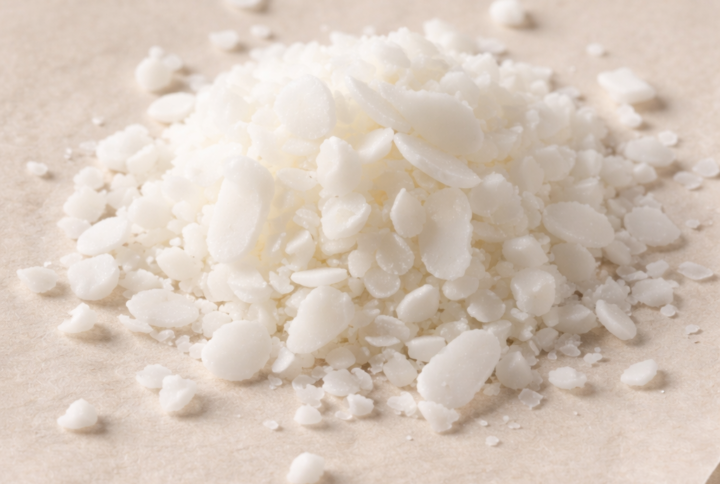
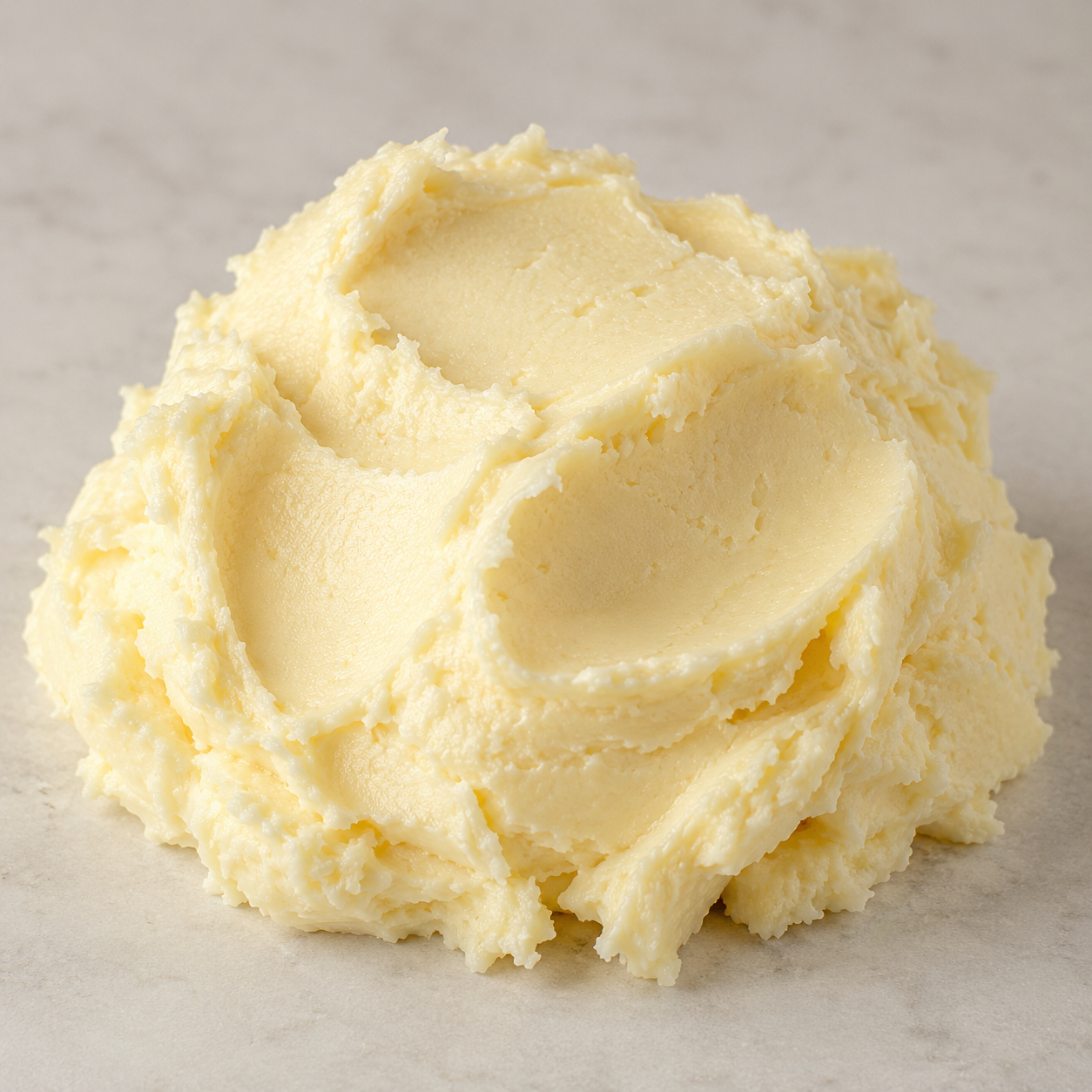

Mango butter is a natural product derived from the Mangifera indica tree. The subsequent refining process extends the material’s shelf life by reducing rancidity while also removing pigments, colorants, and its characteristic natural odor. Its chemical composition consists of more than 80% C18 triglycerides made up of mixed fatty acids, with stearic and oleic acids being the most prevalent. The relatively high proportion of stearic acid makes mango butter solid at room temperature; however, it melts at body temperature, making it an ideal emollient for personal care products due to its skin-softening and excellent spreading properties.
It can also be incorporated into emulsions to enhance product firmness and stability. Compared to alternatives such as shea butter, mango butter is considerably lighter and less greasy. It penetrates the skin effectively, providing deeper and longer-lasting moisturization and increased skin elasticity, as well as reducing fine lines and wrinkles by reducing transepidermal water loss.
Mango butter is considered non-comedogenic and is therefore generally well suited for acne-prone skin. Additionally, the presence of antioxidants such as phenolic compounds and vitamins A, C, and E may offer further benefits, such as protection against oxidative stress and a reduction in visible signs of aging and environmental skin damage. The material is used in a wide range of products, helping to improve dry or damaged skin, hair, and lips. Its deeply nourishing properties come from the delivery of essential fatty acids, which replenish dry, dehydrated skin and restore its natural softness and vitality.