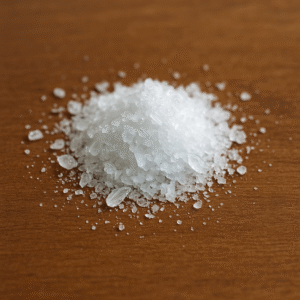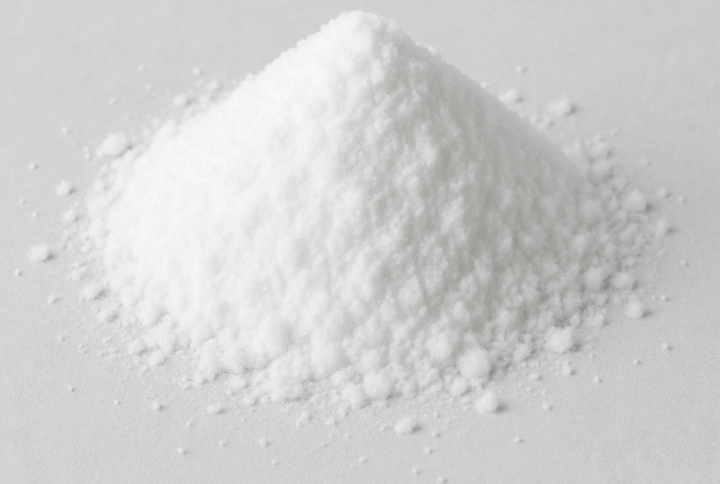
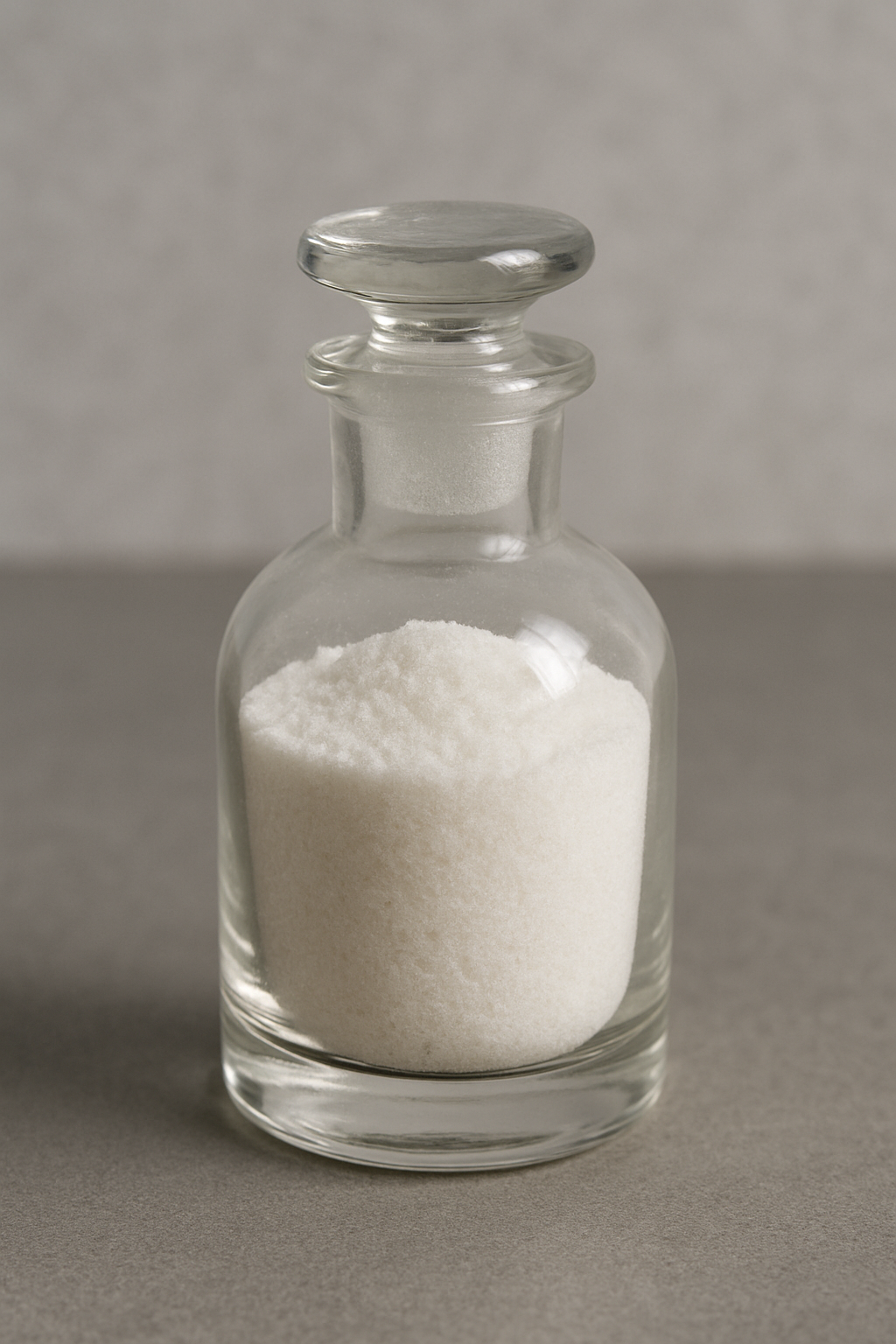

Myo-inositol, once referred to as vitamin B8, was later declassified as a vitamin after it was discovered to be synthesized endogenously in the human body. As a natural isomer of glucose, it occurs widely in both plants and animal tissues. In plants, inositol is predominantly found as phytic acid (inositol hexaphosphate), which serves as the principal storage form of phosphorus. In humans, its derivative phosphatidylinositol plays a vital role in mediating cellular signaling pathways and regulating metabolic processes.
The material is commonly used in dietary supplements that support mental, reproductive, and metabolic health. By enhancing insulin sensitivity, it is particularly valuable in managing polycystic ovary syndrome (PCOS) and metabolic syndrome, a cluster of conditions that increase the risk of heart disease, diabetes, and stroke.
As a cosmetic ingredient, inositol helps keep the skin soft and hydrated while also nourishing the hair, improving cuticle strength, and adding natural shine. It is incorporated into a wide range of formulations, from soothing lotions and shampoos to advanced anti-aging products designed to smooth wrinkles, refine pores, and revitalize the skin. At the cellular level, inositol improves moisture retention and circulation, which promotes cell renewal and supports a revitalized skin appearance. It is a versatile active ingredient suitable for all skin types, especially beneficial for sensitive, dry, or sagging skin, as it improves elasticity and helps prevent visible signs of aging.