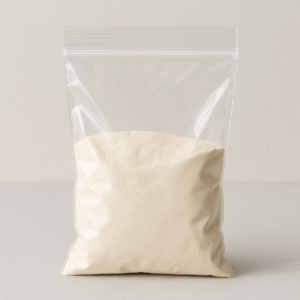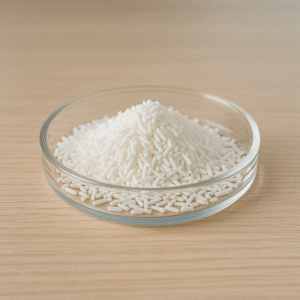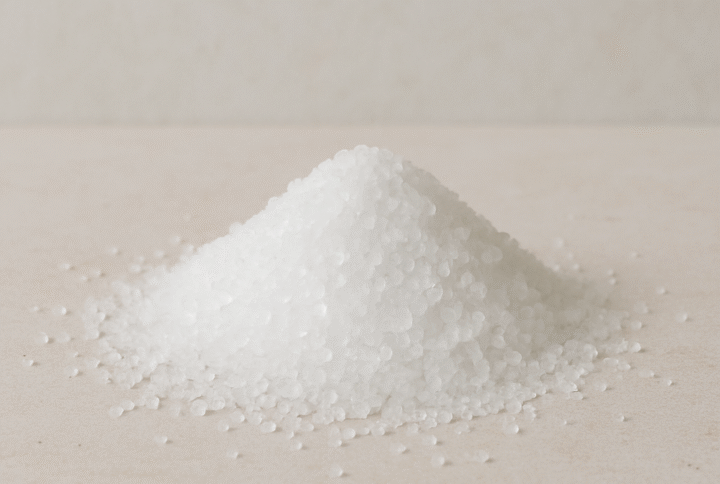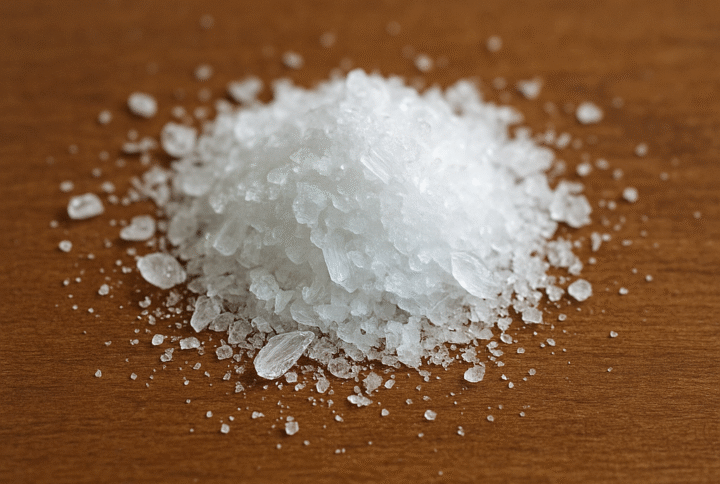

Lactic acid is one of the most widely recognized organic acids, known for its broad range of industrial applications. It serves various roles, including as a pH regulator, descaling agent, neutralizer, humectant, antimicrobial agent, and chiral intermediate. Chemically, it is considered milder than citric acid.
In cosmetics, lactic acid is valued as a naturally derived ingredient with multiple benefits. While its primary use is as a pH regulator, it also functions as:
-
A humectant/moisturizer
-
A skin-lightening agent
-
A skin-rejuvenating component
-
An anti-acne agent
-
An anti-tartar agent
As a member of the Alpha Hydroxy Acids (AHAs), lactic acid offers significant skincare benefits. It helps reduce the appearance of fine lines and wrinkles, promotes collagen production for firmer skin, and aids in fading age spots. Its gentle nature makes it suitable for all skin types, including sensitive, acne-prone, and rosacea-affected skin.
At concentrations below 30%, AHAs help remove sulfate and phosphate groups from the surface of corneocytes (the cells that make up the outermost layer of the skin), leading to exfoliation and shedding. Due to its relatively mild strength, lactic acid is suitable only for very superficial peels. To minimize the risk of increased sun sensitivity when using chemical peeling agent, the daily use of sun protection is strongly recommended.