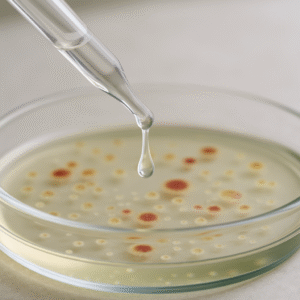

Caprylyl glycol is a is lipophilic member of 1,2-alkane diol family. Alkanediols are frequently utilized as alternative antimicrobial preservatives in cosmetic formulations. Their antimicrobial activity is linked to their amphiphilic structure, which enables them to incorporate into microbial cell membranes. Since they do not contain acidic or basic functional groups, alkanediols remain effective across a wide pH spectrum (pH 3-12). In addition to their preservative function, they also offer moisturizing properties, serving as multi-functional components in cosmetic products.
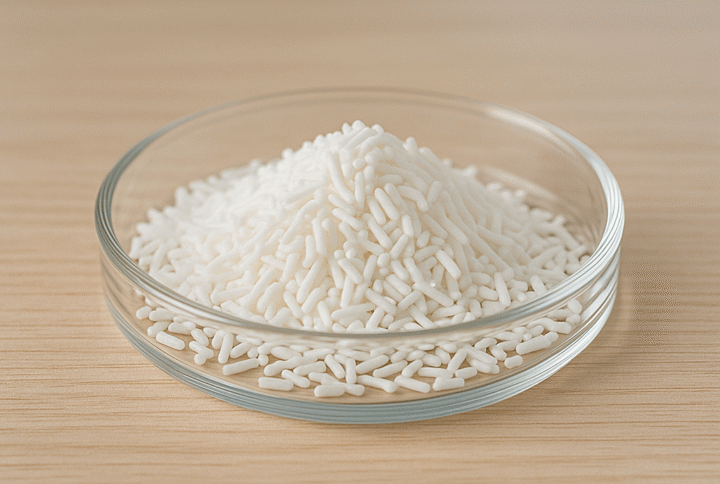
Caprylyl glycol is a waxy solid at room temperature, with a literature melting point between 30–35 °C. It is especially well-suited for use in emulsions, as well as oil- and surfactant-based formulations. No known incompatibilities with other preservatives have been reported. Combining it with other personal care preservatives often enhances effectiveness through a synergistic effect. Due to its low water solubility (up to 0.75%), it is advisable to pre-dissolve it in a non-aqueous component before incorporating water into the formulation. Caprylyl glycol is highly thermostable and can tolerate heating up to 80 °C without any issues, although extended exposure to high temperatures is not recommended.
In the EU, it is not classified as a preservative, so its use is not restricted by preservative regulations. The minimum inhibitory concentration (MIC) of caprylyl glycol as a standalone preservative for various gram-positive and gram-negative bacteria is generally 0.5% or lower. The material is effective against bacteria, yeasts, and molds, but not against fungi.