
Cocamidopropyl betaine (CAPB) is one of the most widely used surfactants, known for its good detergency, high foaming capacity, and skin mildness. Its popularity is largely due to its low cost, amphoteric nature and excellent skin compatibility. As a secondary surfactant, CAPB is often combined with anionic primary surfactants such as sodium lauryl sulfate (SLS), sodium lauryl ether sulfate (SLES), and sulfosuccinates, forming complexes that help reduce the irritation potential of anionic surfactants. CAPB is a versatile ingredient found in countless everyday products, including nourishing shampoos, refreshing body washes, gentle facial cleansers, and effective household cleaners.
CAPB enhances and stabilizes foam, improves cleaning performance, and enhances sensory characteristics. Due to its mildness and non-toxicity, it is also suitable for use in oral care products such as toothpaste and mouthwash. Any potential safety concerns related to CAPB stem from unreacted raw materials or by-products in the final formulation. Impurities associated with CAPB include reactants and intermediates from production, such as DMAPA (3-dimethylaminopropylamine), amidoamine, and MCA (monochloroacetic acid).
When added to formulations containing SLES, CAPB increases viscosity, with the degree of thickening largely dependent on salt concentration. This phenomenon, known as salt thickening, is commonly utilized in cost-effective personal care products. CAPB is one of the few amphoteric surfactants that enhances foam density and stability in hard water.
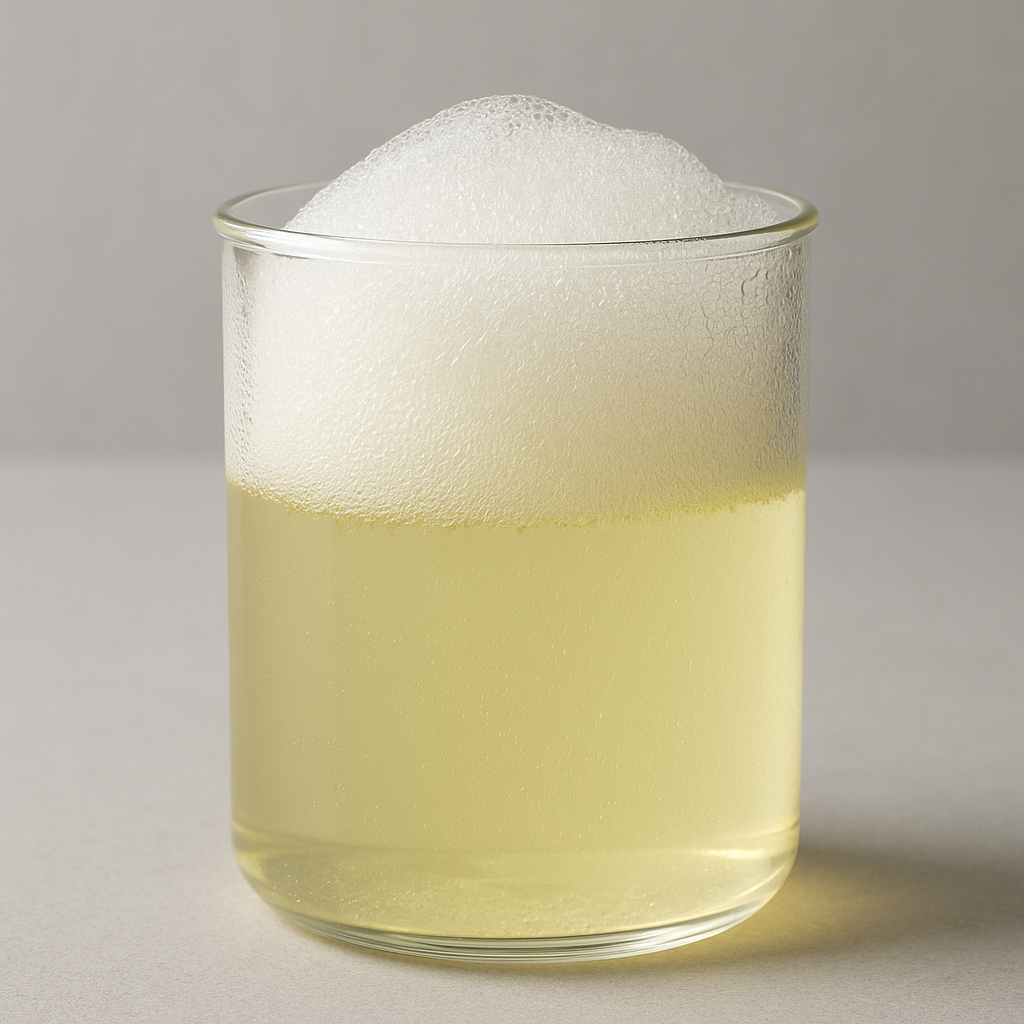
CAPB produces a significant amount of foam with excellent stability over time, which is why it is often regarded as the industrial standard in foaming tests. Its critical micelle concentration (CMC) is 29 ppm. Above this concentration, surface tension remains relatively constant. A lower CMC means that less surfactant is required to saturate interfaces.